

Autism Spectrum Disorder (ASD)

Autism Spectrum Disorder (ASD)

Autism Spectrum Disorder (ASD) is a complex neurodevelopmental condition that affects communication, social interaction, and behavioral patterns. Every individual with ASD presents unique strengths, challenges, and support needs. At Apera Health Group, patients undergo a comprehensive multidisciplinary evaluation to determine clinical suitability and develop an individualized care plan. When medically appropriate, regenerative medicine applications may be considered as part of a broader treatment strategy alongside standard medical management and ongoing specialist follow-up. Individual responses may vary, and no specific clinical outcome can be guaranteed.

Autism Stem Cell Treatment Planning Process

Initial Contact
Request for Medical Reports

Medical Assessment

Medical Assessment
1
2
3
4

Autism Spectrum Disorder (ASD) Care Approach:

Treatment Goal:

Our regenerative medicine approach focuses on evaluating the potential role of cell-based therapies in relation to immune function, inflammation, and neurodevelopment. Every patient is assessed individually by a multidisciplinary team based on their developmental profile, medical history, and current support programs.

Expected Approach:
Every individual with ASD has unique needs and may respond differently. Some families seek supportive options for communication, social interaction, attention, or behavioral functioning. Treatment recommendations are always personalized, and no specific outcome can be guaranteed.
Who May Be Eligible?

Children and adults with a confirmed diagnosis of Autism Spectrum Disorder may be considered for evaluation. Eligibility is determined through a comprehensive review of developmental history, current therapies, medical records, and overall health to identify the most appropriate options for each individual.

Treatment
Consideration

Procedure Techniques:

Comprehensive Multidisciplinary Evaluation: Each patient undergoes a detailed multidisciplinary assessment that includes medical history, developmental profile, current therapies, behavioral characteristics, functional abilities, and overall clinical condition. This evaluation helps determine clinical suitability and supports the development of an individualized care strategy.
Personalized Treatment Planning: Based on the comprehensive assessment, our multidisciplinary medical team develops a personalized treatment plan tailored to each patient’s individual needs. When medically appropriate, regenerative medicine applications may be incorporated into the overall care plan alongside established medical management, therapeutic interventions, and ongoing specialist follow-up. Individual responses may vary, and no specific outcome can be guaranteed.

Clinical Follow-Up & Ongoing Care:

Individualized Follow-Up: After treatment, patients receive personalized medical guidance and scheduled follow-up evaluations tailored to their individual care plan. Ongoing communication with our multidisciplinary team supports continuity of care throughout the treatment journey.
Ongoing Clinical Care: Clinical follow-up plays an important role in monitoring each patient’s progress and reviewing their individualized treatment strategy. Care plans may be adapted over time according to clinical findings and the patient’s evolving needs. Individual responses to treatment may vary.

Who May Be Considered for Stem Cell Applications in Autism?

Every child and adult on the autism spectrum has a different developmental profile, communication level, behavioural pattern and set of accompanying health conditions. For this reason, suitability for cellular or regenerative approaches is not determined by the autism diagnosis alone. The individual’s developmental history, speech and social communication level, current education and therapy programmes, medications, immune- or inflammation-related findings and general health condition are reviewed together.

What Is the Aim of the Stem Cell Approach in Autism?

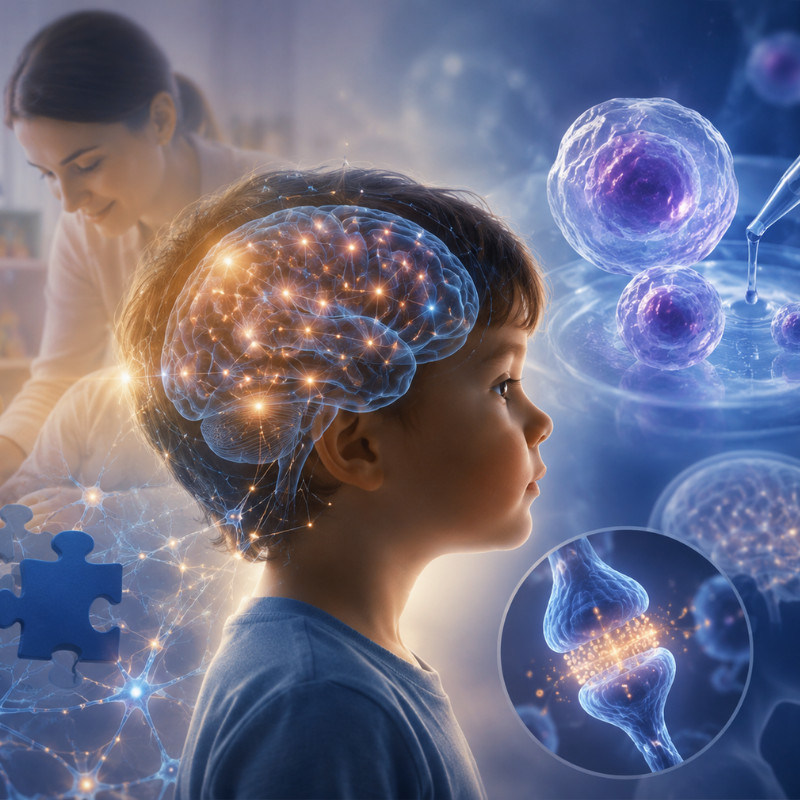
Cell-based research in autism focuses on biological processes such as immune regulation, inflammation and communication between cells. Clinical studies around the world are investigating the safety and possible effects of mesenchymal stromal cells derived from umbilical cord tissue or other sources on social communication, behaviour and functional development. These studies are still ongoing, and stem cell applications are not currently considered a standard, proven treatment for autism.

Which Areas May Be Monitored?

Depending on the individual’s needs, structured follow-up may focus on:

  • Eye contact and participation in social interaction 
  • Verbal and non-verbal communication 
  • Attention span and environmental awareness 
  • Behavioural regulation 
  • Daily living skills 
  • Participation in education and therapy programmes 
  • Sleep, nutrition and certain accompanying functional difficulties 

Because every individual has a unique developmental profile, progress should not be measured by a single outcome, such as whether speech begins. Family observations, clinical assessments, developmental tests and educational reports should be reviewed together.

Can Stem Cell Applications Eliminate Autism?

Stem cell applications are not a definitive method that completely eliminates autism or guarantees speech and social communication development in every individual. At Apera Health Group, families receive a personalised assessment based on the individual’s developmental profile, general health and current scientific evidence. The possible goals, limitations and follow-up process are explained clearly before any medical decision is made.

Should Current Education and Therapies Be Discontinued?

No. Special education, speech and language therapy, sensory integration, behavioural support and other developmental programmes should continue even when a cellular or regenerative approach is being evaluated. Where medically appropriate, a cellular approach may be considered as a supportive option alongside the existing education and therapy plan, rather than as a replacement. Continuing these programmes is also important for observing and assessing any changes accurately.

Which Documents Are Required for Preliminary Assessment?

For a comprehensive evaluation, the Apera Health Group specialist team generally requests: Autism diagnostic report Developmental and psychiatric assessment reports Information about speech, communication and behaviour Special education and therapy history Current medications and supportive products Information about epilepsy, immune, digestive or other accompanying conditions Recent blood tests and previous medical examinations The developmental areas the family most wishes to support After the documents are reviewed, any required specialist consultations and additional tests can be planned.

How Is the Process Organised in Türkiye?

Apera Health Group coordinates the entire process, from reviewing the medical and developmental records to specialist consultations, hospital planning and required tests.

For international patients and their families, the personalised plan may also include:

  • Airport and hospital transfers 
  • Accommodation arrangements 
  • Interpreter support 
  • Hospital appointments 
  • Treatment process coordination 
  • Post-treatment communication and follow-up 

Before travelling to Türkiye, the family is informed about the stages of the process, required documents, expected length of stay and necessary medical preparations.

Is a Stem Cell Application Suitable for Every Individual with Autism?

No. Autism may involve very different developmental and biological characteristics, so the same approach may not be appropriate for everyone. Age, general health, accompanying medical conditions, the characteristics of the cellular product and possible medical risks are evaluated together. Individuals with epilepsy, active infection, significant immune problems or other important health conditions may require a more detailed specialist assessment.

How Can You Receive a Preliminary Assessment from Apera Health Group?

Your child’s or relative’s suitability for cellular and regenerative approaches can be evaluated after the medical and developmental records are reviewed by the Apera Health Group specialist team.

You may request a personalised preliminary assessment by sharing the autism diagnostic report, developmental assessments, education and therapy history, current medications and accompanying health information. Our specialist team will clearly explain the options that may be considered, any required examinations and the recommended next steps.

Request a Free Consultation

Schedule Your Free Consultation Today and Begin Your Journey to Health and Happiness

    We are committed to protecting your privacy.